Creative expression and women’s empowerment in the Pacific

By Tait Brimacombe 19th March 2015 Art and creative expression have become an activist tool and alternative form of advocacy for young women in Fiji. Through photography, theatre, dance and song, young women are finding new avenues for public expression. These innovative avenues for making their voices heard have great power in a context where women’s mobility and visibility is often constrained by socio-cultural norms. … Continue reading Creative expression and women’s empowerment in the Pacific

15 Ailments of the Development Sector – with apologies to Pope Francis

Inspired by to Pope Francis’ list of 15 “Ailments of the Curia” delivered in his Christmas address yesterday I have compiled the following 15 Ailments of the Development Sector. Thank-you Andrew Hewett for the stimulus. 1) Feeling immortal, immune or indispensable. “An NGO that doesn’t criticize itself, that doesn’t update itself, that doesn’t seek to improve itself is a sick body.” 2) Taking Yourself too … Continue reading 15 Ailments of the Development Sector – with apologies to Pope Francis

You can’t take a supertanker white-water rafting: what future for International NGOs?

Duncan Green follows up his Melbourne visit with this special guest blog. I try to avoid those endless bouts of INGO navel gazing, but don’t always succeed. Which is lucky, because recently, I had a really interesting session on ‘the future of INGOs’ at La Trobe University’s Institute for Human Security and Social Change in Melbourne. I kicked off summarising a recent paper (The End … Continue reading You can’t take a supertanker white-water rafting: what future for International NGOs?

Our contribution to the Reality of Aid Report 2014

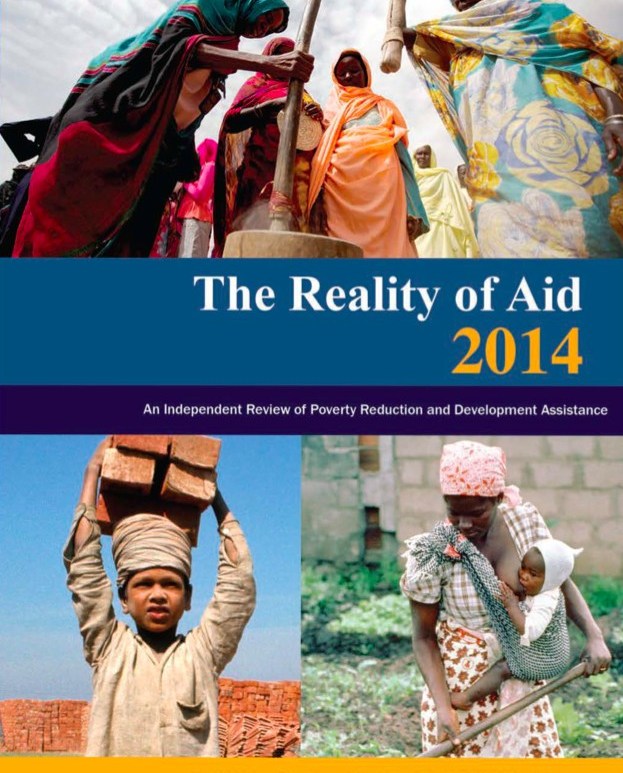
The Reality of Aid Report 2014 will be launched by the Reality of Aid Network on 4 December 2014 at the OECD Conference Centre, Paris, France. Associate Professor Chris Roche and Dr Linda Kelly of the Institute contributed the chapter “A Changing Landscape for Partnerships: The Australian NGO experience” in the report. The Reality of Aid Reports are a series of bi-annual reports about the performance of aid donors. … Continue reading Our contribution to the Reality of Aid Report 2014

Development blogger Duncan Green visits Melbourne

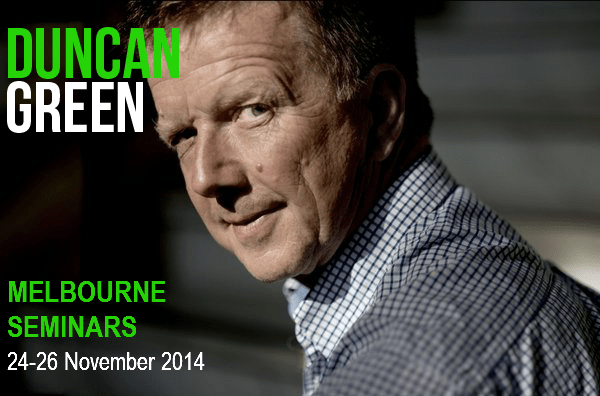
Dr Duncan Green, author of ‘From Poverty to Power: How Active Citizens and Effective States can Change the World’ will be in Melbourne, Australia from the 21st-26th of November to generate the discussion on ideas from his upcoming book, How Change Happens. Duncan will be hosted by the Institute for Human Security and Social Change, La Trobe University and Oxfam Australia. Dr Green is the … Continue reading Development blogger Duncan Green visits Melbourne

Independent Evaluation of Central Land Council’s Community Development & Governance Programs

The Institute has been working with the Central Land Council to evaluate its community development program.  In 2005, the Central Land Council (CLC) established the Community Development Unit (CDU) to implement a community development program that works with rent and royalty monies from mining. The program seeks to both maintain Aboriginal identity, language, culture and connection to country and strengthen Aboriginal capacity to participate in mainstream Australia through … Continue reading Independent Evaluation of Central Land Council’s Community Development & Governance Programs

Contribution to Guardian discussion on fragile states

From our DLP partner via http://bit.ly/1sKhdJL DLP Research Fellow Dr Suda Perera was among the expert panellists for a live Q&A on approaches to development in conflict-affected states on The Guardian Development Professionals Network website. Suda joined University of Birmingham colleague Siân Herbert (GSDRC) and other panellists from research institutes, NGOs and consultancy firms for the #globaldevlive Q&A on 6 November. Responding to questions from … Continue reading Contribution to Guardian discussion on fragile states

Contributions to debate on aid and anti-corruption work

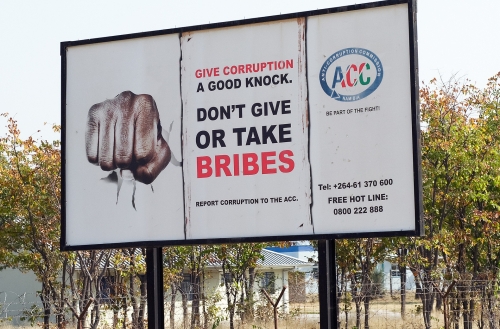
From our DLP partner via http://bit.ly/1EI437D The UK aid watchdog’s unflattering report on DFID’s impact in tackling petty corruption in the countries where it works generated some even more unflattering headlines. But academics, including DLP’s Director Heather Marquette, have criticised the report’s assumptions and use of evidence. [Read more…] Was UK aid watchdog right to accuse DfID of failing to tackle corruption? No, argue Dr … Continue reading Contributions to debate on aid and anti-corruption work